Faculty Directory
B
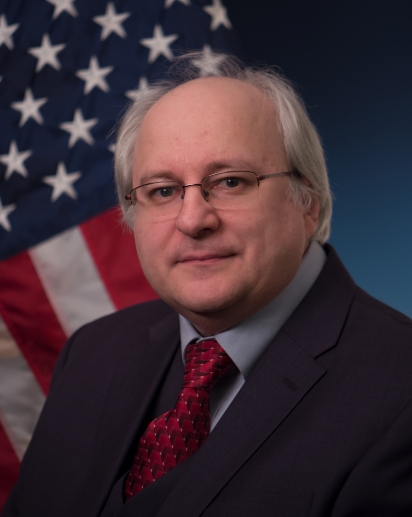
Sergey Bratus
Computer Science
I investigate the root causes of software insecurity to build systems we can actually trust. The outcome is resilient infrastructure and defenses that stand up to real adversaries. We fuse “weird machine” theory with kernel/firmware analysis and hands-on exploitation science.
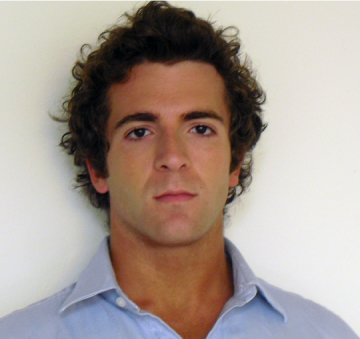
Adam Breuer
Computer Science | Government
I create rigorous, theory-driven AI algorithms that prevent AI privacy violations and provably resist becoming instruments of social or political harm. I also design principled algorithms that transform the raw video and text data of politics into the evidence base for a more empirically rigorous social science.
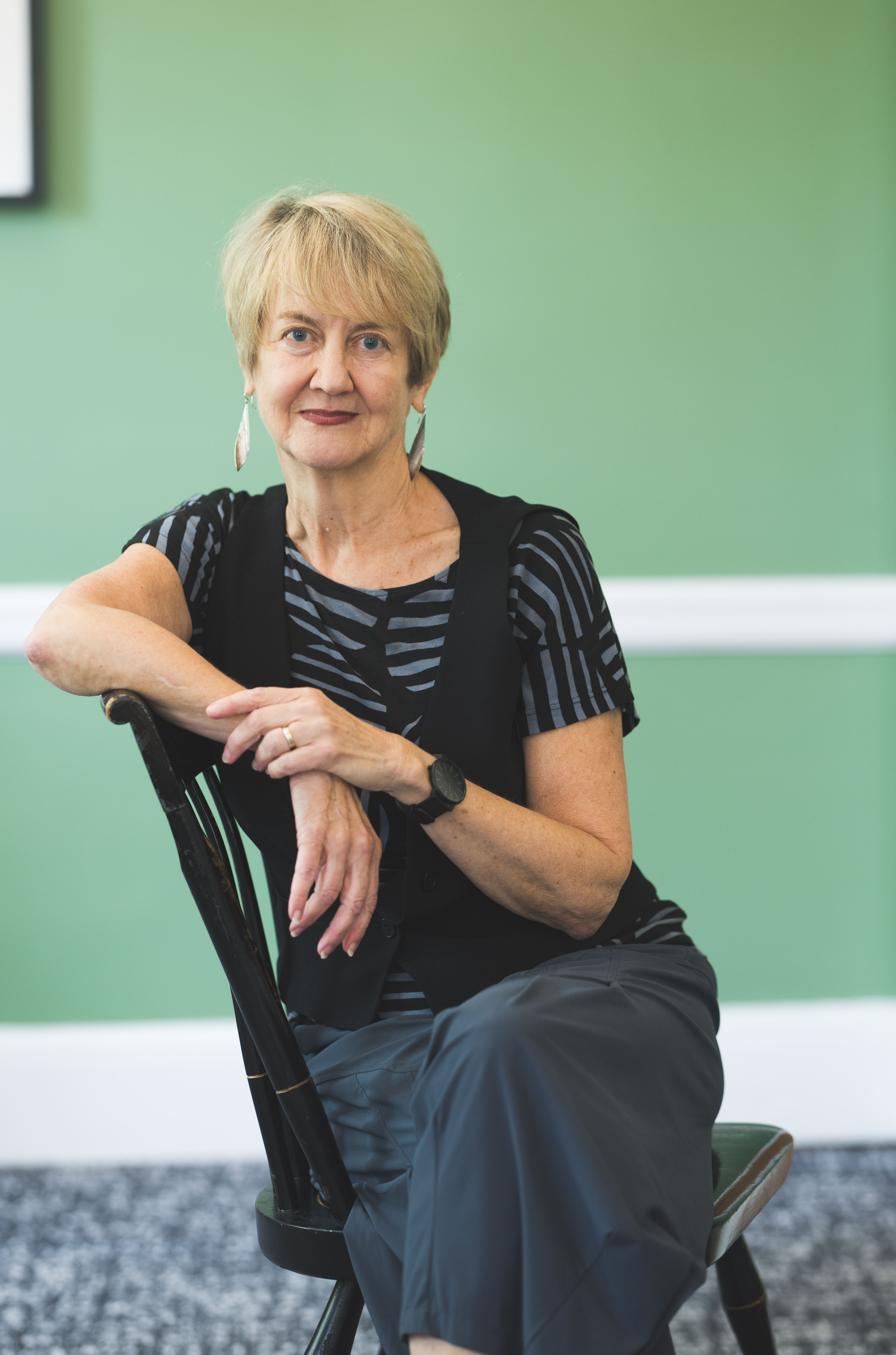
Susan J. Brison
Philosophy
I study free speech in the digital age and AI ethics, asking questions such as ‘who will benefit from the rapid development of AI and who will bear the often hidden environmental and human costs?’
C
Andrew T. Campbell
Computer Science
My research integrates AI with behavioral sensing from smartphones and wearables to model and reason about real-world human behavior. I develop computational health models and systems that use multimodal machine learning to support mental health and personalized well-being interventions.
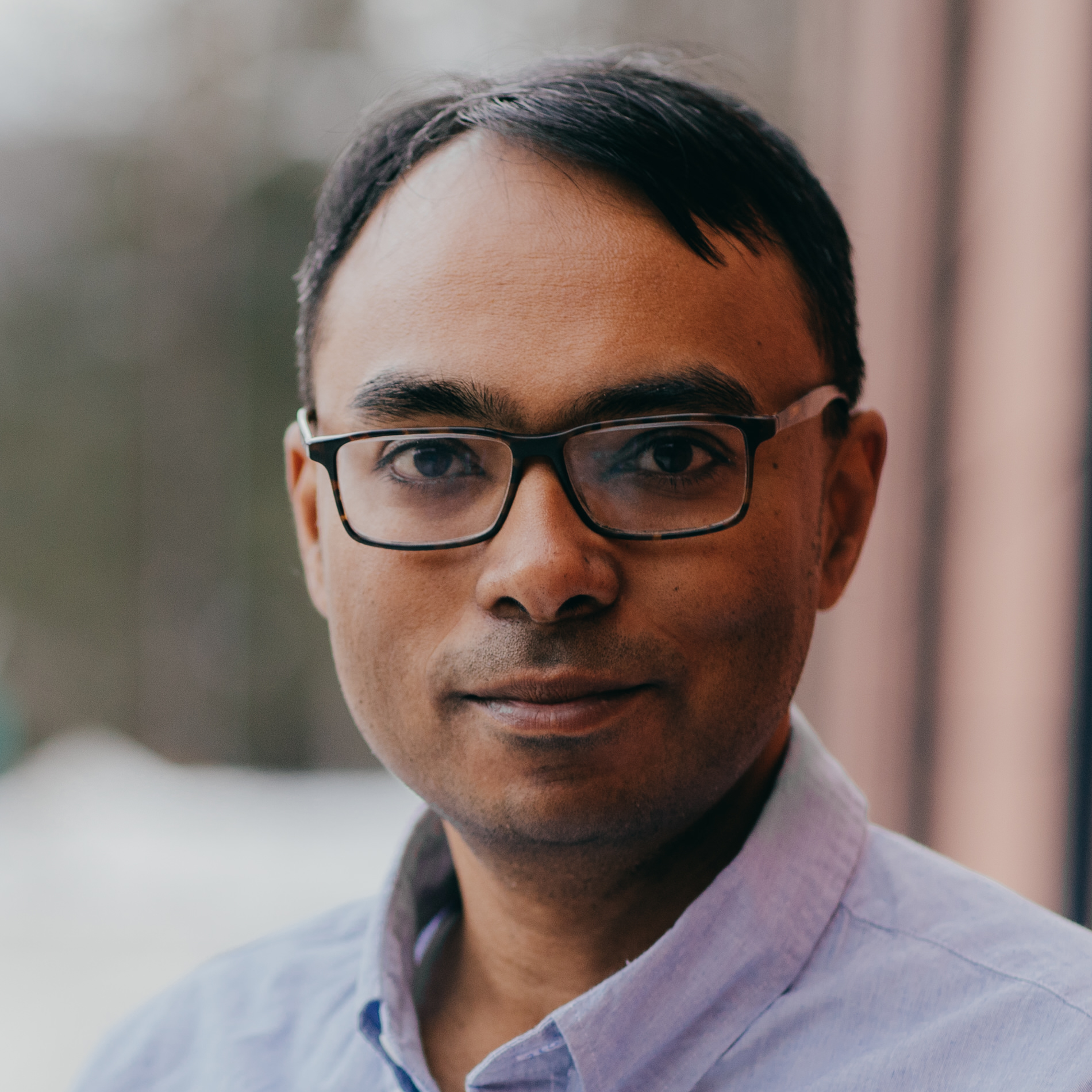
Amit Chakrabarti
Computer Science
I work on foundational algorithms and computational complexity, with a focus on data streaming, algorithms for big graphs, communication protocols, space efficiency, and information theoretic techniques applied to these areas.
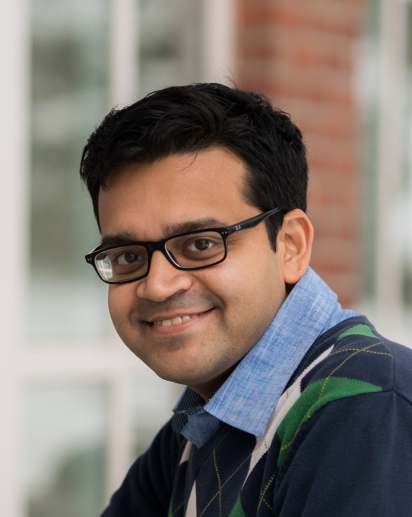
Deeparnab Chakrabarty
Computer Science
My research interest is broadly in algorithms design and analysis, more specifically in discrete optimization and sublinear algorithms. More recently, I have looked at fairness and robustness of clustering problems, and certain active learning problems.
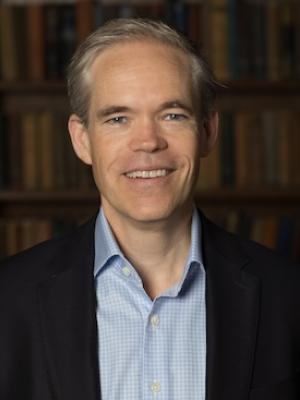
Daniel Chamberlain
Dartmouth Libraries
I direct Dartmouth Libraries' research and learning programs, digital initiatives, and technological strategies. My research examines how emergent media technologies use interfaces promising empowerment to mask systems of surveillance and control.
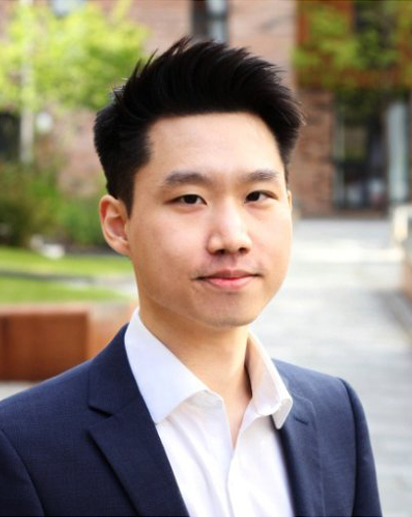
Herbert Chang
Quantitative Social Science
I study computational social science to understand how platforms, AI, and networks shape civic life and behavior. My previous work has covered the 2024 Presidential Elections, Russian invasion of Ukraine, and AI-based experiments. We combine large-scale data, causal inference, and machine learning on real-world events.
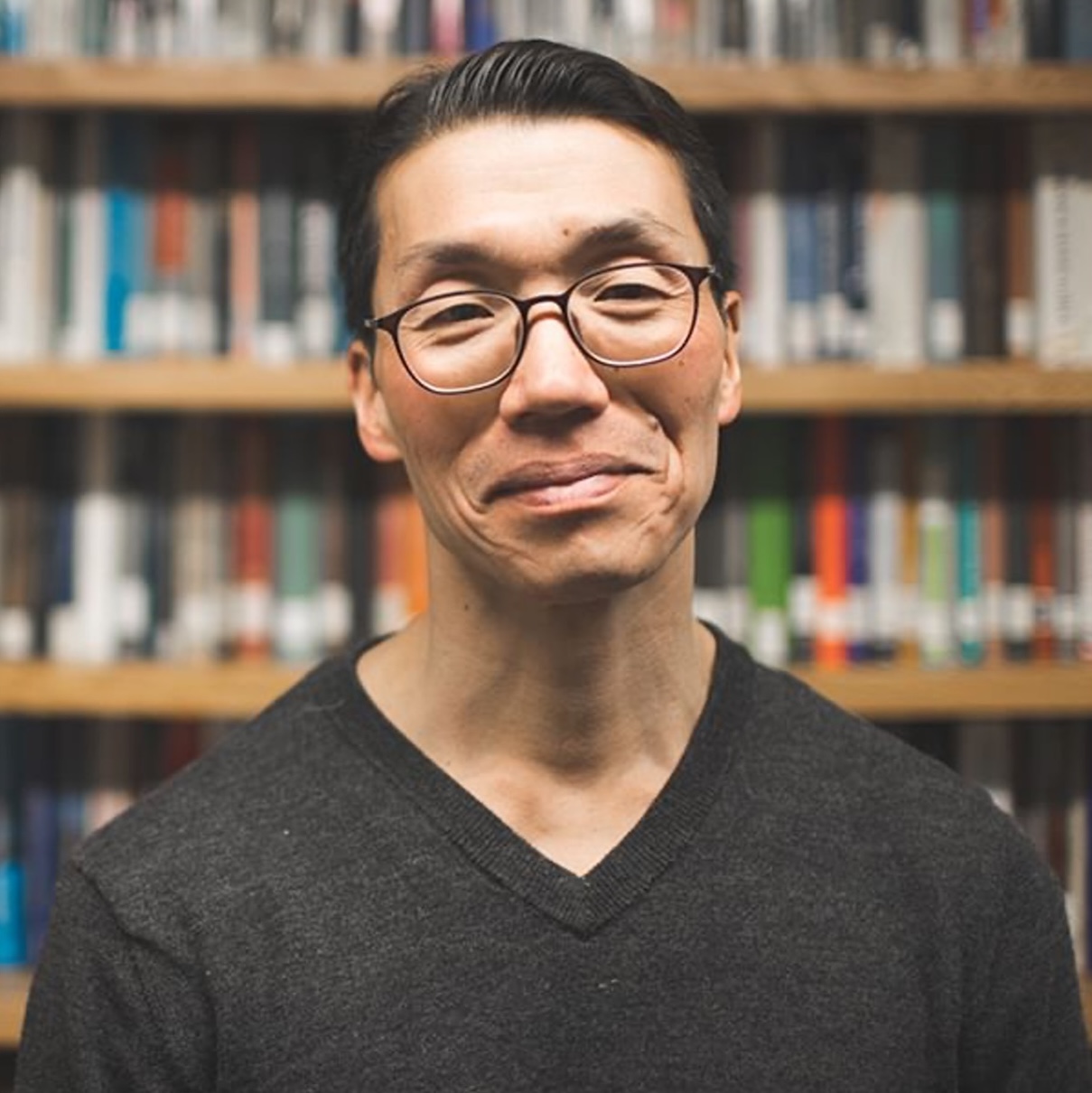
Peter Chin
Computer Science
At Thayer school of engineering, I direct LISP—Learning, Intelligence + Signal Processing—Lab to investigate fundamental questions such as, "Can Intelligence be learned?" at the intersection of signal processing, machine learning, game theory, differential geometry, extremal graph theory, and computational neuroscience.
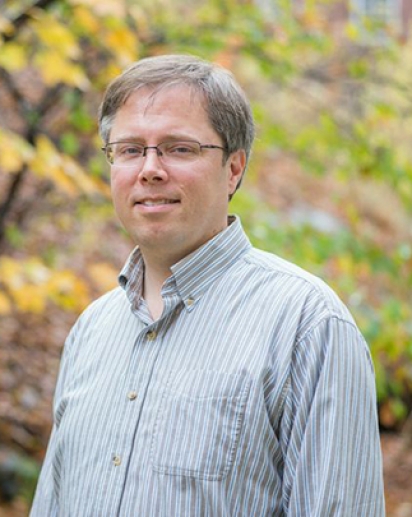
Jonathan W. Chipman
Geography
I use applied spatial analysis, remote sensing, and geographic data visualization to study a wide range of environmental and social dynamics from a geographic perspective.
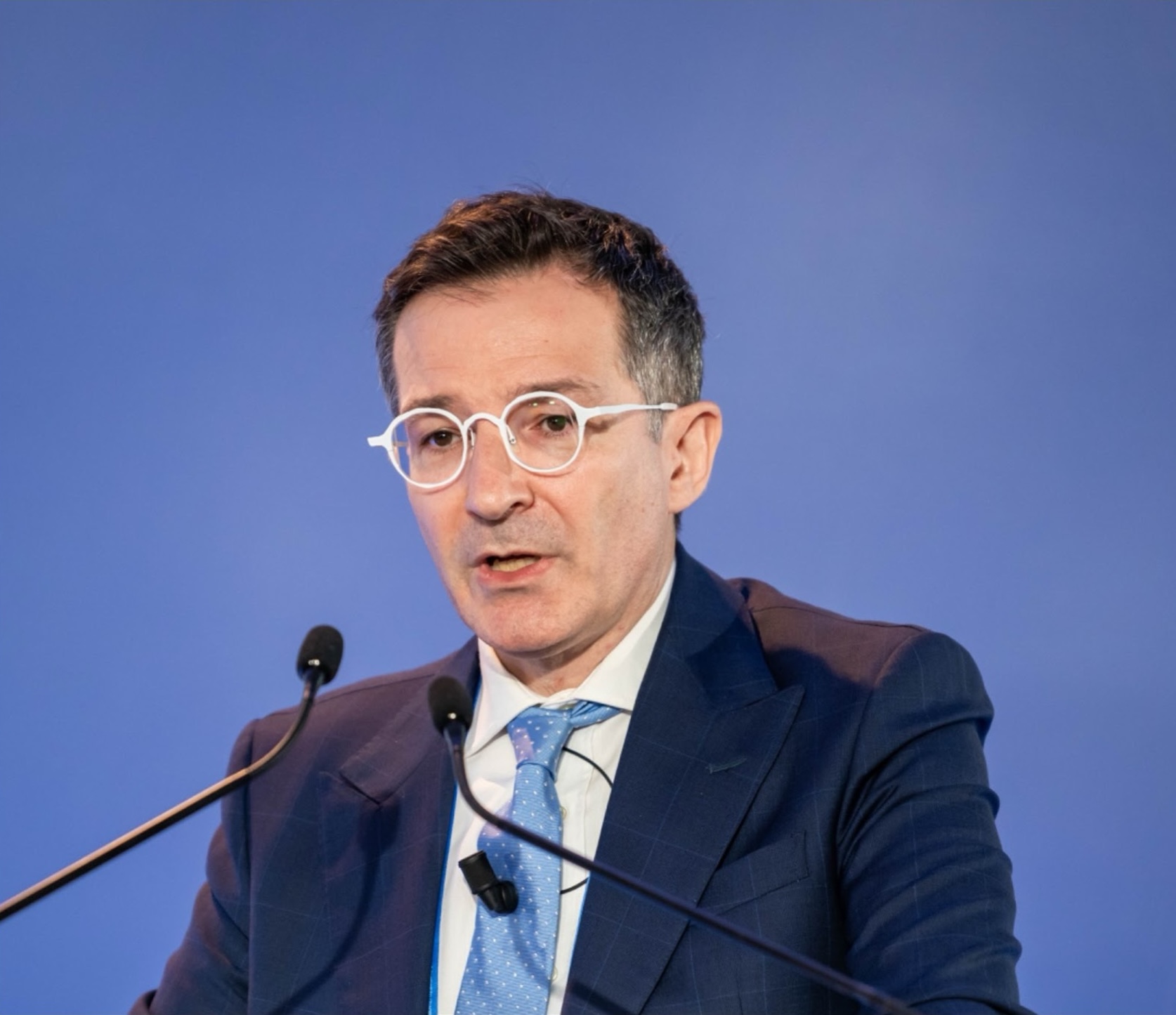
Diego Comin
Economics
I study how establishments across countries and sectors use technology —including AI—and how that shapes productivity and growth.
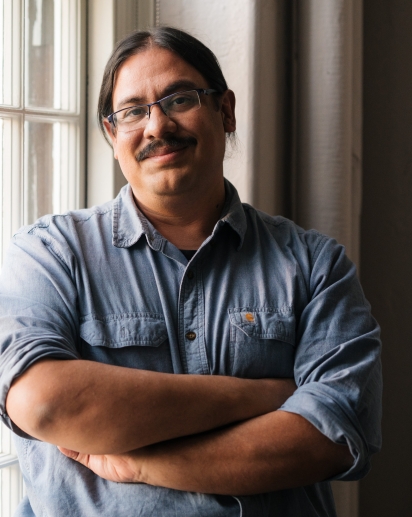
Rolando Coto-Solano
Linguistics
I build computational tools for Indigenous languages to accelerate documentation and revitalization; we combine NLP, language tech, and community partnerships for real-world impact.
D
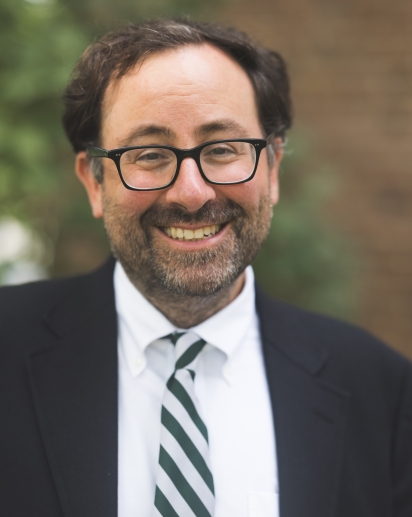
James E. Dobson
English | Creative Writing
I work on the intellectual history of machine learning, computer vision, and artificial intelligence. I also research the theoretical implications of ML and GenAI for the humanities, among other topics.
F
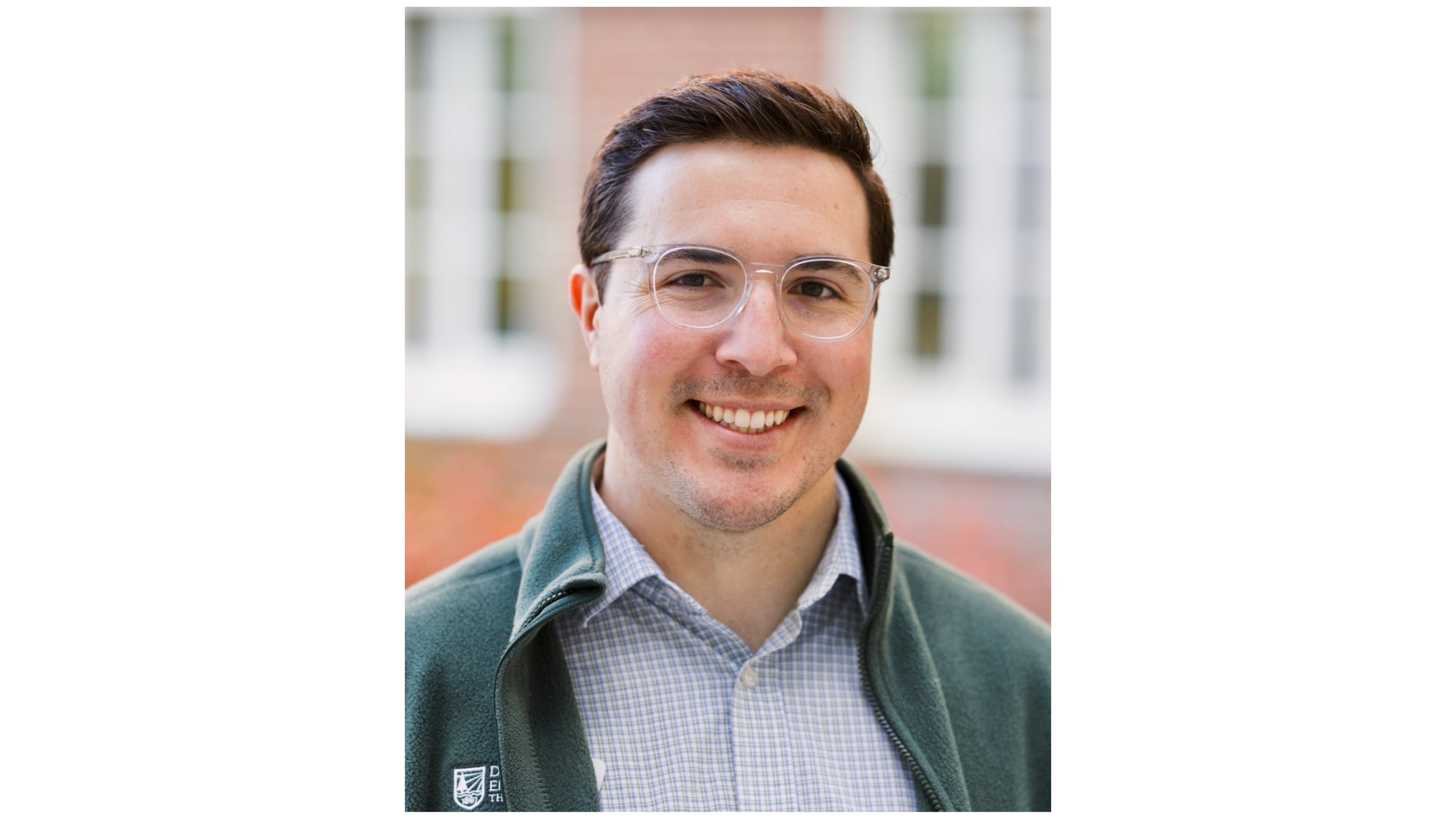
Bryce L. Ferguson
Thayer School of Engineering
I study control and learning in multi-agent systems to understand how emerging intelligent systems interact and to design technologies that coordinate interactions among autonomous processes, robotic devices, and humans.
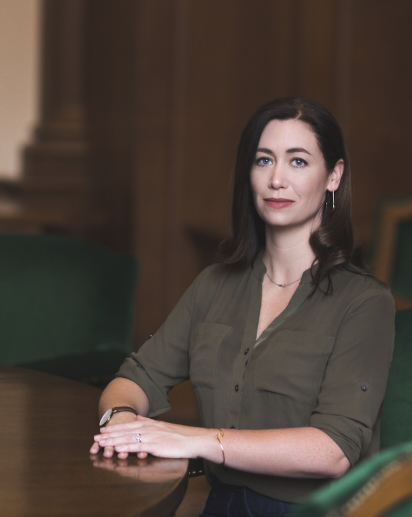
Brinker (Meredith) Ferguson
Native American and Indigenous Studies
I work with Māori-led research centers in Aotearoa/New Zealand on projects that utilize computational imaging and AI-enabled environmental monitoring within Indigenous data sovereignty frameworks. My research pays particular attention to how data infrastructures reconfigure relationships to knowledge, land, and cultural heritage continuation.
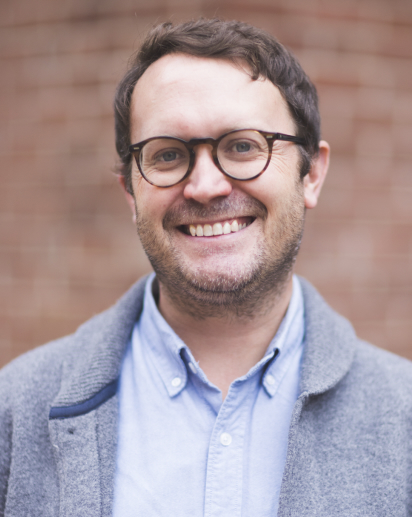
Steven M. Frankland
Cognitive Science
I study how humans and machines learn, generalize, and reason — using neural networks, information theory, and cognitive neuroscience to better understand human intelligence, its limits, and its relation to AI.
G
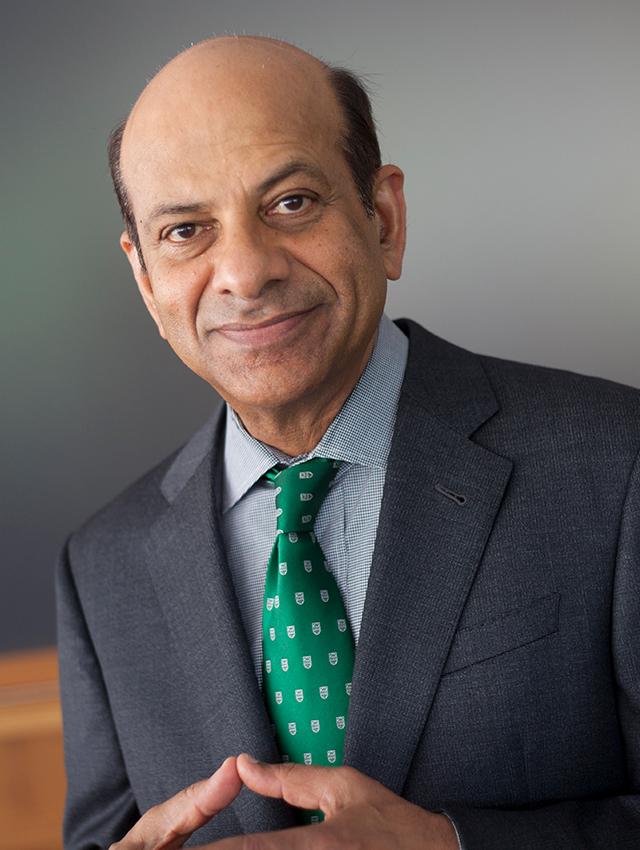
Vijay Govindarajan
Tuck School of Business
I research and teach global strategy and innovation, focusing on how organizations adapt to and lead technological change. I help bridge business and AI-driven systems for scalable, future-oriented enterprise transformation.
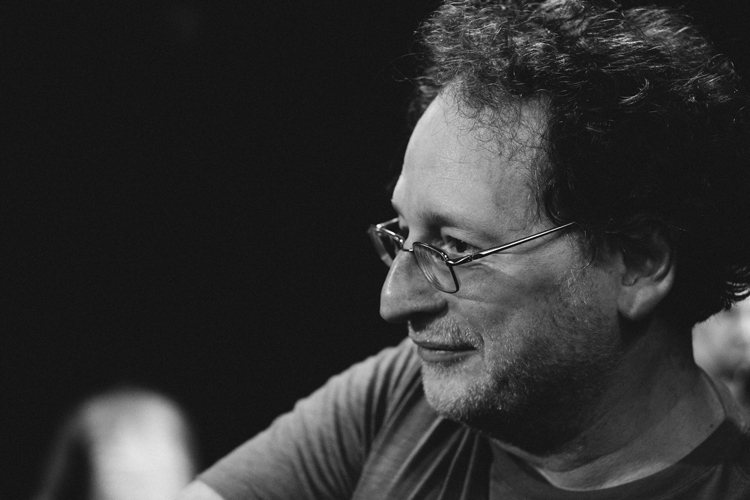
Mikhail Gronas
Russian
I work on literary history (including digital methods for literary corpora) and cognitive poetics, on methods for benchmarking LLM creativity, and on the computational and cognitive aspects of human–AI co-creativity.
H
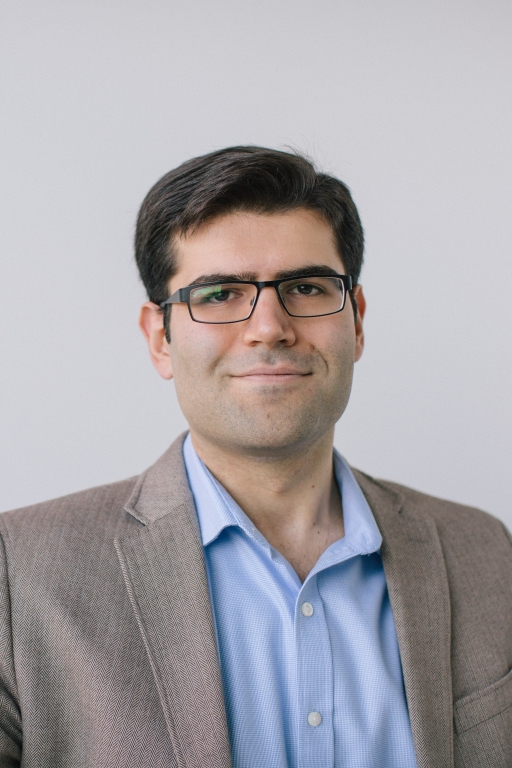
Saeed Hassanpour
Biomedical Data Science | Epidemiology
I develop deep learning and multimodal AI for medical images, text, and omics, building clinically integrated tools that advance precision health and deliver transparent, trustworthy decision support across healthcare.
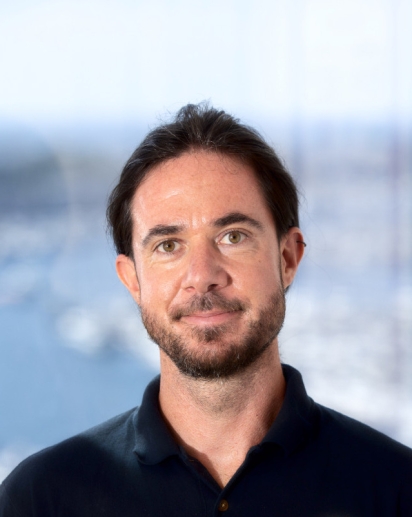
Christopher Hauser
Computer Science
I specialize in software security, developing models to reason about vulnerabilities and defenses. My work combines program analysis, formal methods, and machine learning, focusing on reverse engineering, vulnerability discovery, and privacy.
J
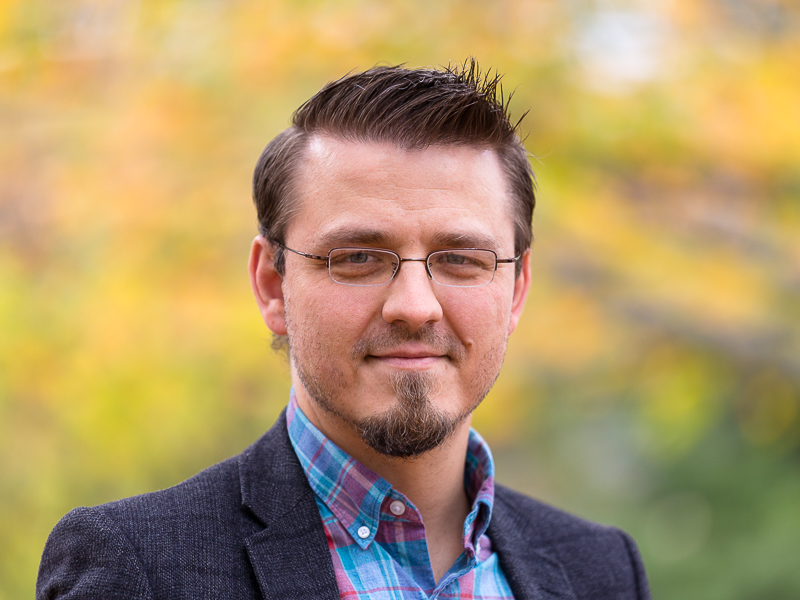
Wojciech Jarosz
Computer Science
I develop algorithms that combine physics-based light transport, computational imaging, and machine learning to simulate, capture, and infer scene appearance and geometry—with applications ranging from rendering for visual effects and video games, to computational modeling for science.
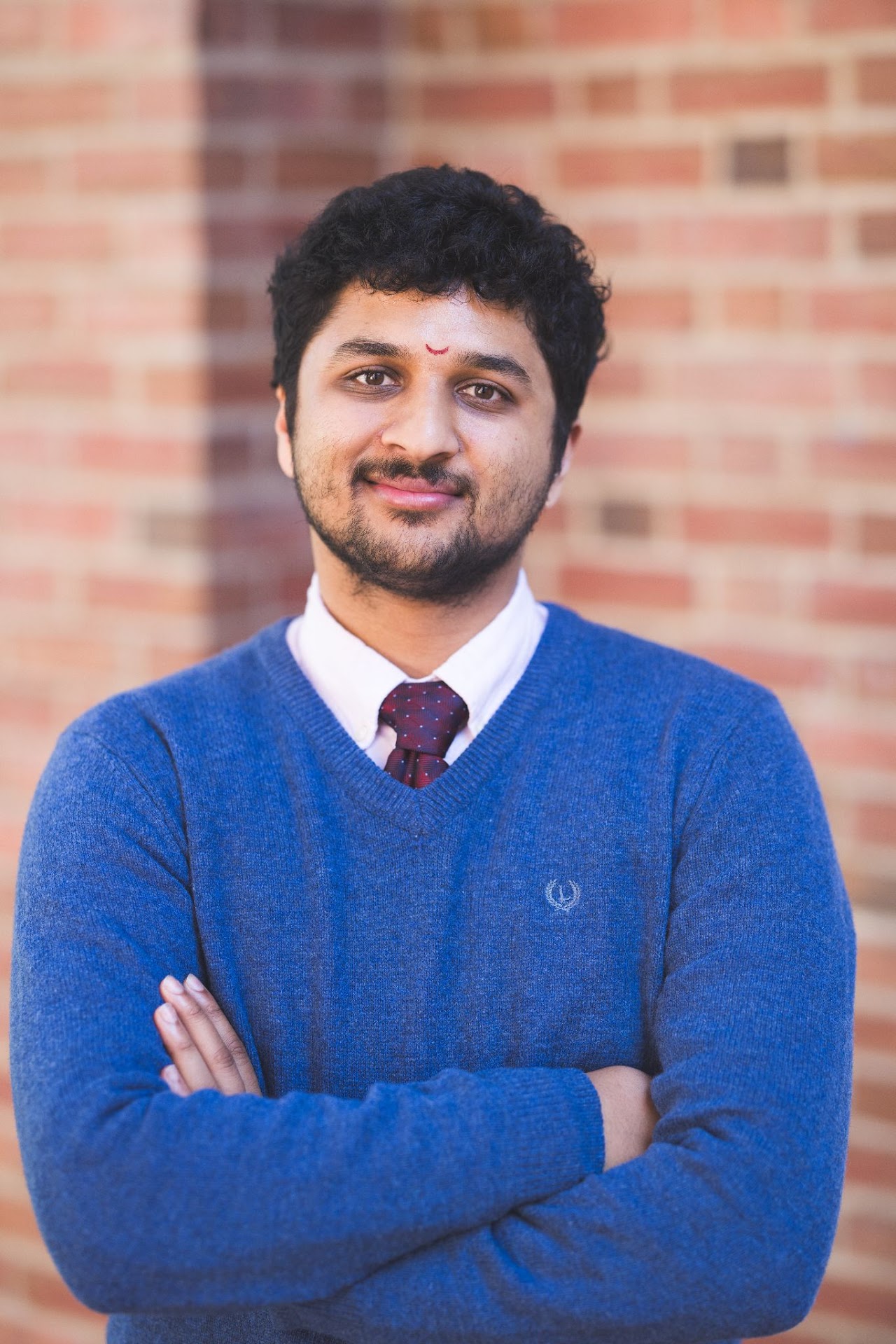
Siddhartha Jayanti
Computer Science
I lead the Distributed Computing and Machine Verification Lab in designing fast, scalable, and reliable solutions to multidisciplinary computing and AI problems. My work spans distributed computing, algorithms, machine verification, economics, and relativistic physics. Previously, I was a researcher at Google Research and AI.
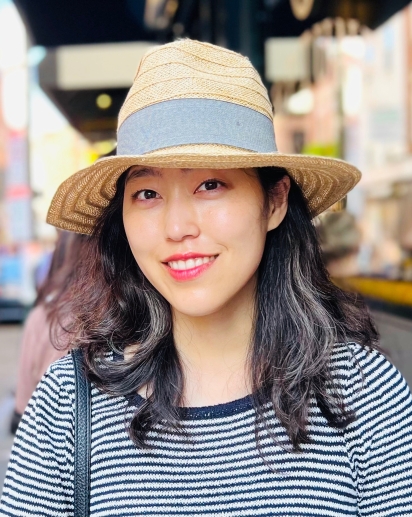
SouYoung Jin
Computer Science
I build AI that sees, feels, and understands human experiences from video. Through multimodal learning and reasoning, my research advances accessibility for blind and low-vision audiences, preserves privacy, and enables socially and emotionally intelligent AI.
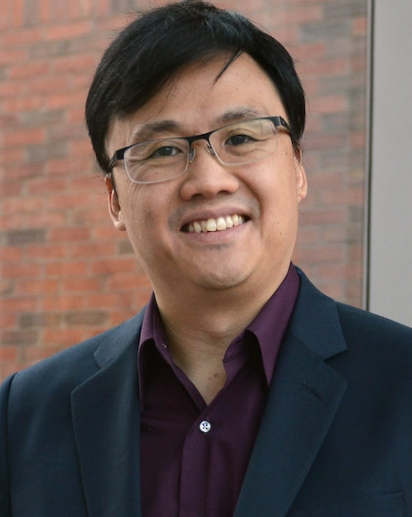
Eugene (Gene) Santos Jr.
Thayer | Computer Science
I study artificial intelligence at the intersection of information, cognition, human factors, and mathematics focusing on computational intent which is the modeling of the drivers, experiences, and rationale behind human and machine reasoning.
K
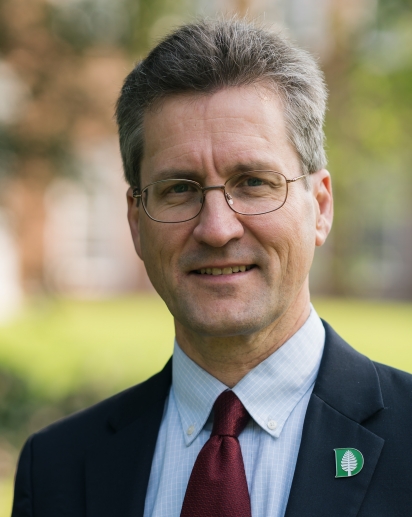
Dave Kotz
Computer Science
I study security and privacy in smart homes and mobile health, with the aim of creating trustworthy, human-centered technologies that protect individual privacy while enabling powerful applications in everyday life.
L
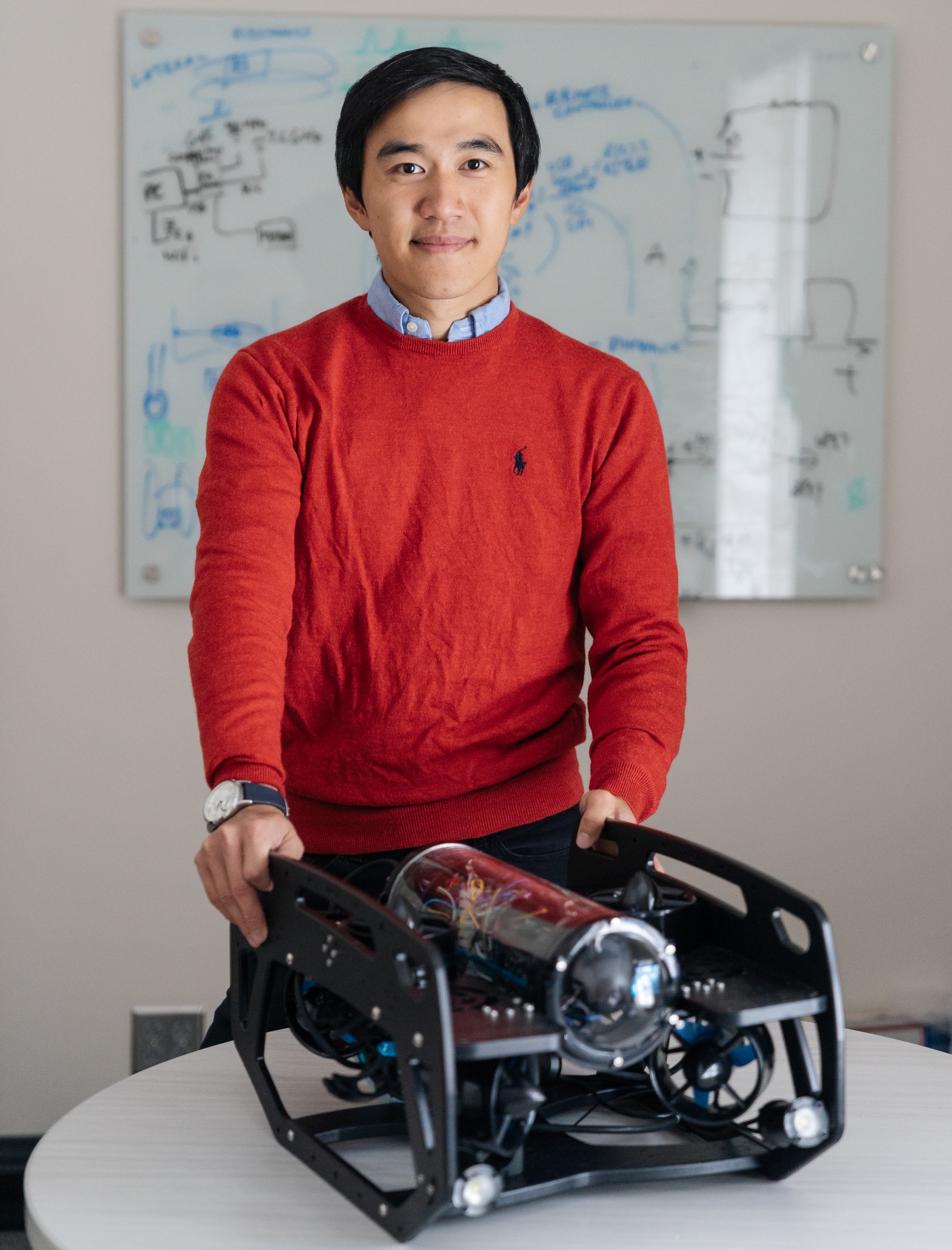
Alberto Quattrini Li
Computer Science
I study autonomous exploration with multi-robot teams in challenging (aquatic) environments to scale environmental monitoring and mapping. We realize this via comm-constrained information gathering, low-cost state estimation, and robust ASV perception/avoidance validated on real robots.
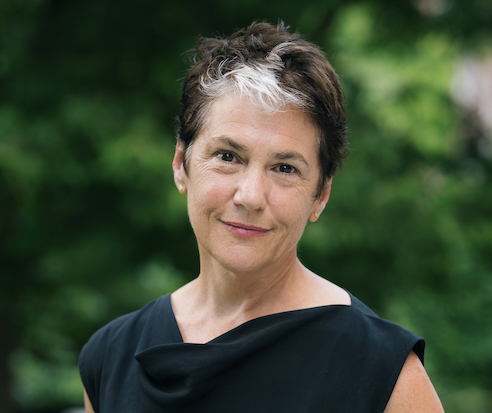
Lorie Loeb
Computer Science
I work at the intersection of art, design, technology, and society. I’m interested in how technology, such as AI, can help create an emotional connection to data to change behavior.
M
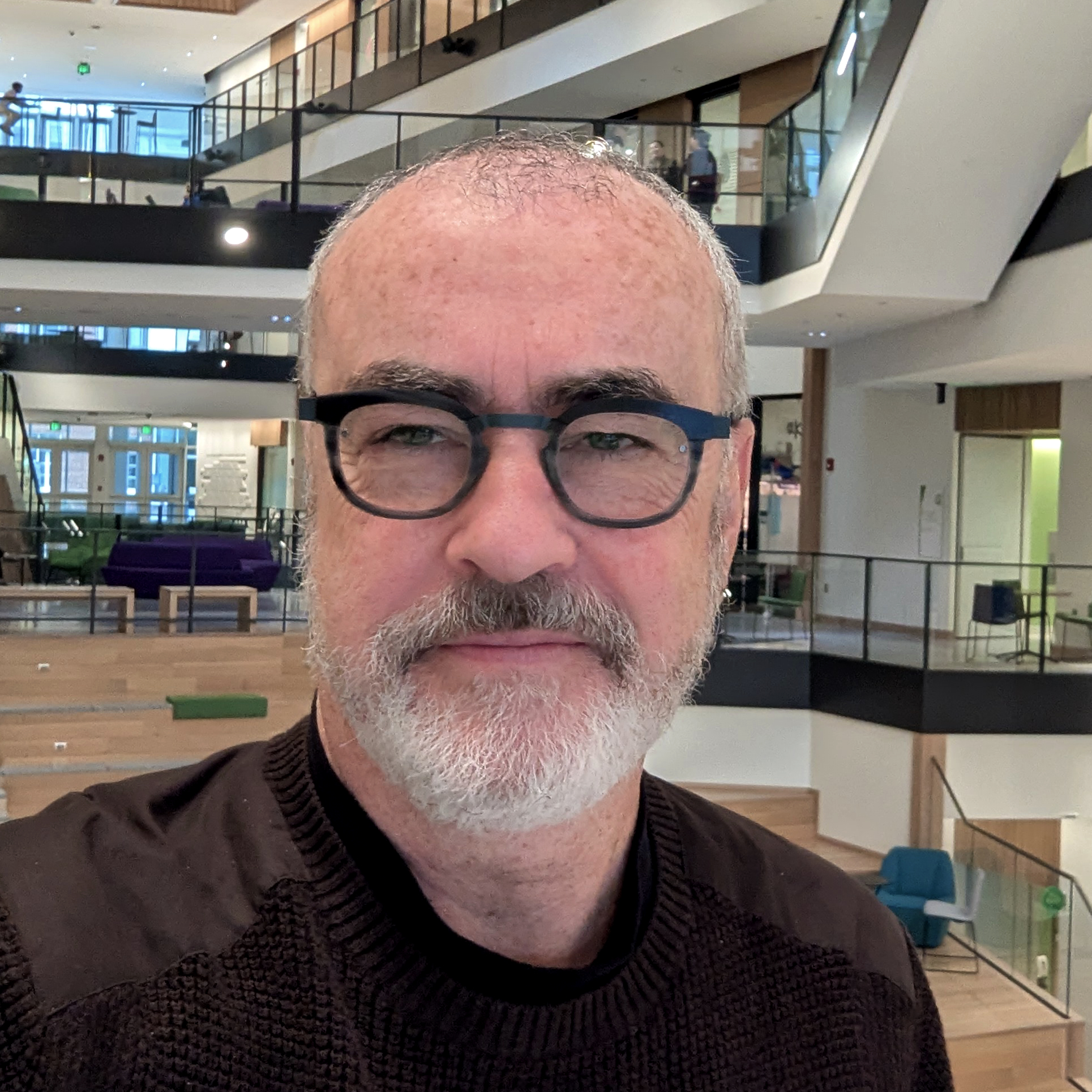
James Mahoney
Computer Science
I explore how emerging technologies like AI, Generative Design, AR/VR, 3D Modeling, and Animation transform expression and communication through innovative, experiential forms of digital art and design.
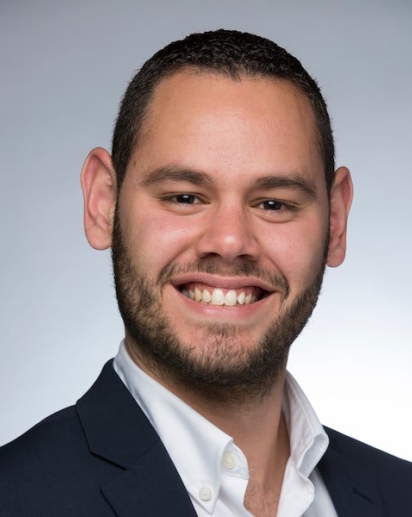
Wesley J. Marrero
Thayer School of Engineering
I develop decision-support tools that consider the challenges associated with their implementation in healthcare practice, including complex interdependencies, irrational behavior, lack of interpretability, and the need for flexibility.
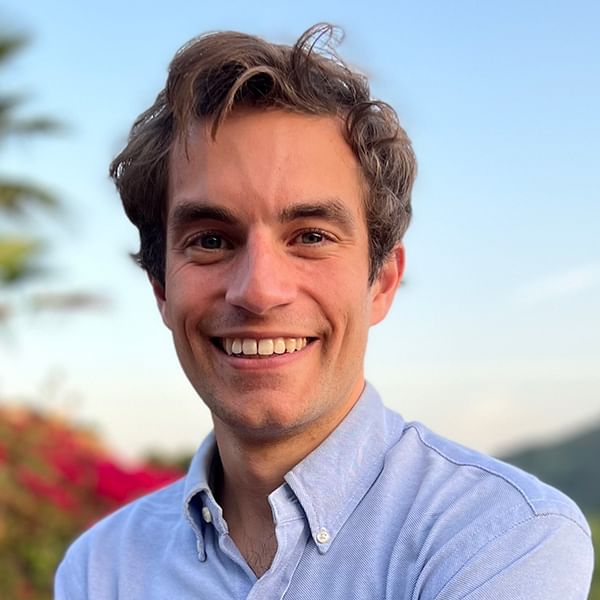
Bijan Mazaheri
Thayer School of Engineering
I study causality and data integration to make AI reliable when combining heterogeneous datasets; we create theory-grounded methods for decision fusion, mixture models, and distribution shift with applications in security and biomedicine.
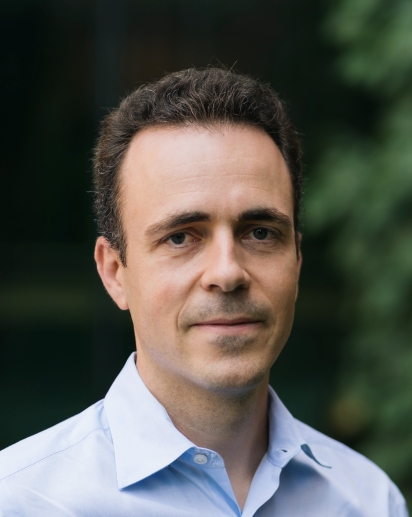
Mathieu Morlighem
Earth Science
I study how Greenland and Antarctica respond to climate change and develop advanced computational models to understand how much and how fast the ice sheets will contribute to sea-level rise.
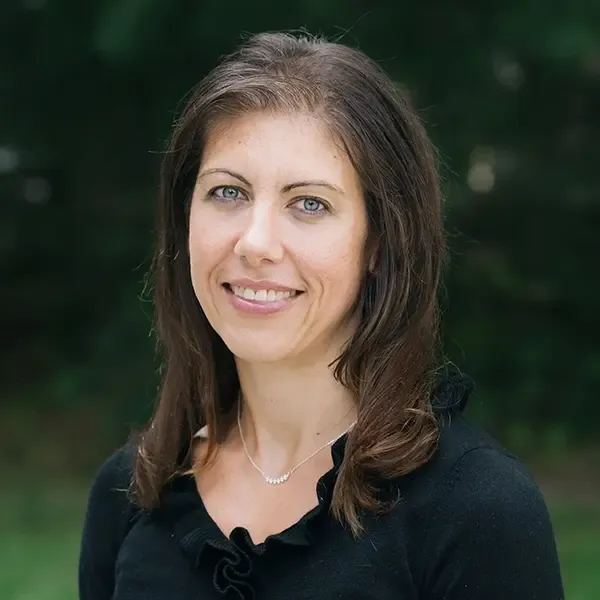
Elizabeth L. Murnane
Thayer School of Engineering
I do human-computer interaction research to address challenges in health and sustainability. My lab designs informatics tools and intervention technologies spanning AR/VR, toys, tangibles, social robots, and more.
N
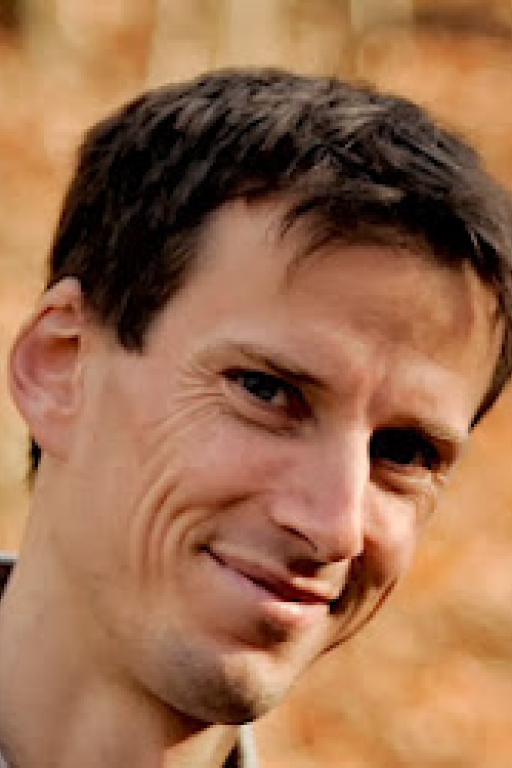
Paul Novosad
Economics
I study access to opportunity in lower- and middle-income countries, focusing on how and when cities generate economic mobility. My research began in India and now spans emerging cities worldwide. My lab works with large-scale administrative and satellite data, machine learning, LLMs, and modern causal inference to get to better policy for rapidly growing cities.
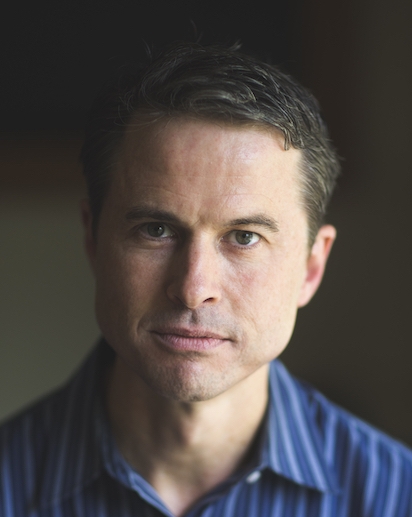
Brendan Nyhan
Government
I study political and social misinformation and threats to democracy.
P
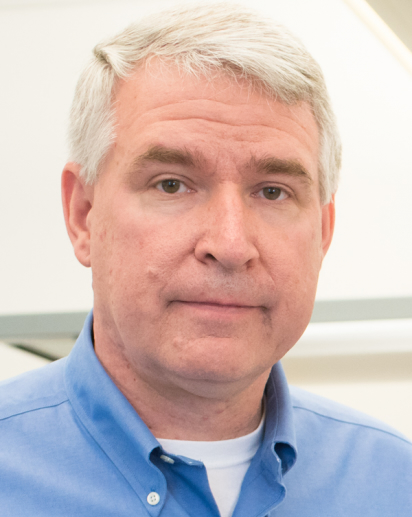
Tim Pierson
Computer Science
I use AI and machine learning to investigate the security and privacy risks involved with the Internet of Things (IoT).
Brian Plancher
Computer Science
My research is focused on optimizing robotic systems at all scales to power next-generation robotic intelligence, autonomy, and capabilities. We do so by developing, optimizing, implementing, and evaluating next-generation algorithms and edge computational systems, through algorithm-hardware-software co-design.
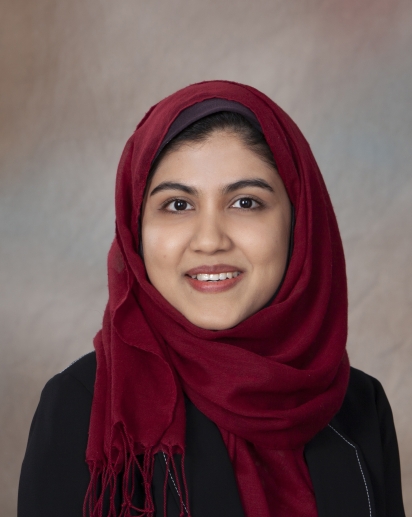
Sarah Masud Preum
Computer Science
I develop human-centered AI systems that improve communication, decision-making, and well-being in high-stakes domains like healthcare. My work integrates natural language processing, multimodal AI, and socio-technical evaluation of AI systems to reduce cognitive burden, support collaborative intelligence, and advance trustworthy technology.
R
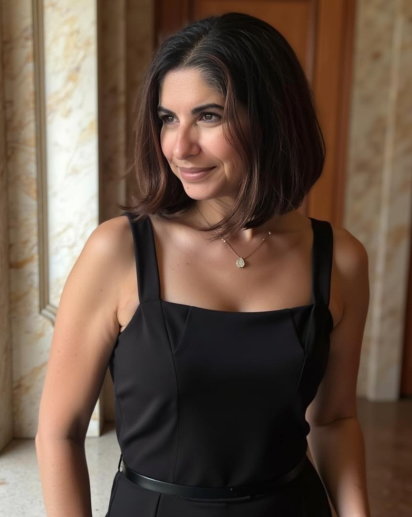
Roopika Risam
Film and Media Studies | Comparative Literature
I study how data and other technologies have mediated power and knowledge across history — from clay tablets to AI. Through collaborative, public-facing data storytelling, my research recovers overlooked histories and unheard voices while modeling humane, accountable approaches to data and its infrastructures.
S
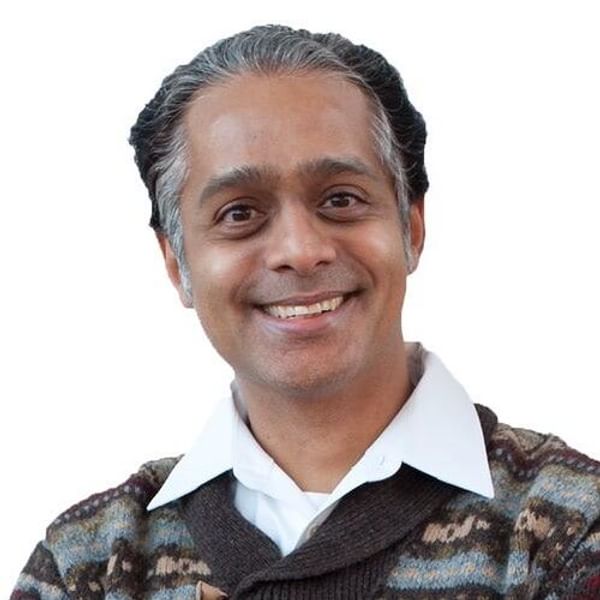
Rahul Sarpeshkar
Engineering | Microbiology & Immunology | Physics | Molecular & Systems Biology
My lab and the computational science cluster that I chair designs or analyzes artificial intelligence in circuits, architectures, and algorithms that model or mimic analog and probabilistic computation in nature.
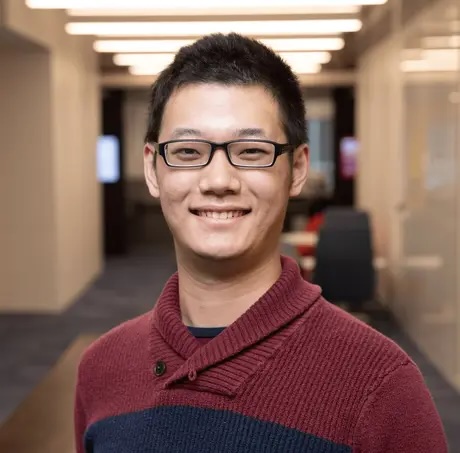
Shawn Shan
Computer Science
I tackle pressing AI challenges by analyzing system behavior and failures while securing AI from misuse, blending security with ML to build trustworthy and privacy-preserving models.
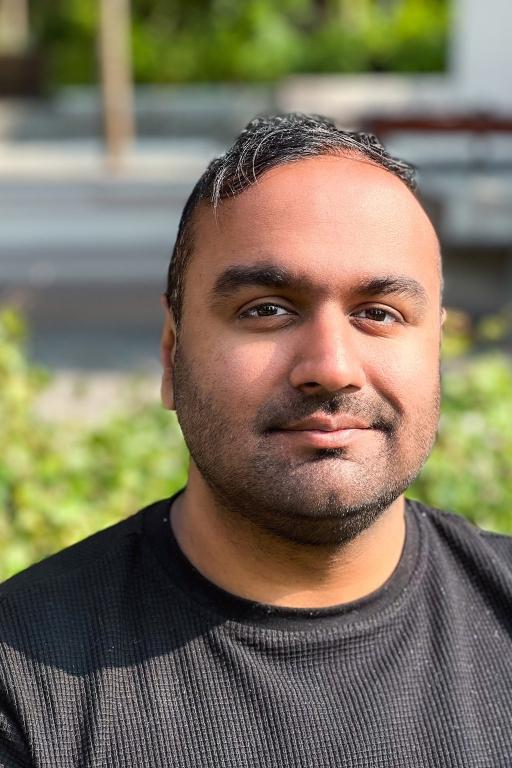
Nikhil Singh
Computer Science
My research is about making AI better for people. I approach this through a variety of lenses, ranging from building better evaluations of how AI systems behave in the real world, to developing new interaction-inspired AI capabilities, to studying how people interact with AI systems in practice.
T
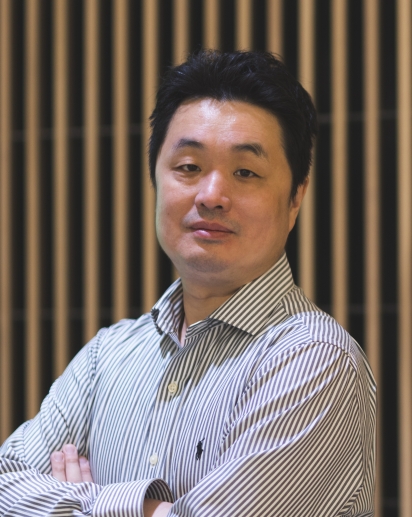
Yu-Wing Tai
Computer Science
My major research interests are in the broad areas of Computer vision and Machine learning, including low-level vision, image/video editing, segmentation, 3D reconstruction, human pose estimation and video analysis. I am also interested in generative AI, multimodalities, large generative pre-trained models and their applications.
V
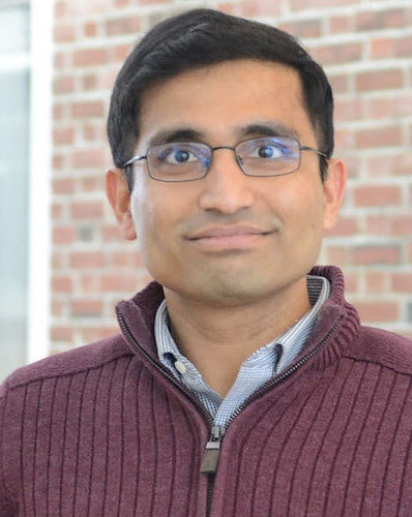
Vikrant Vaze
Thayer School of Engineering
I study operations research for transportation, healthcare, and energy systems to optimize mobility, sustainability, and care delivery at scale; we pair rigorous optimization with data-driven modeling for robust networks, scheduling, and policy design.
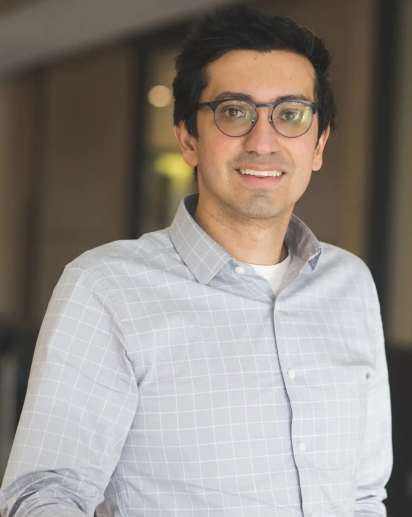
Soroush Vosoughi
Computer Science
I build AI models to better understand intelligence and create safer technology, developing systems that use human-like structure and reasoning instead of relying only on massive datasets and superficial pattern-matching.
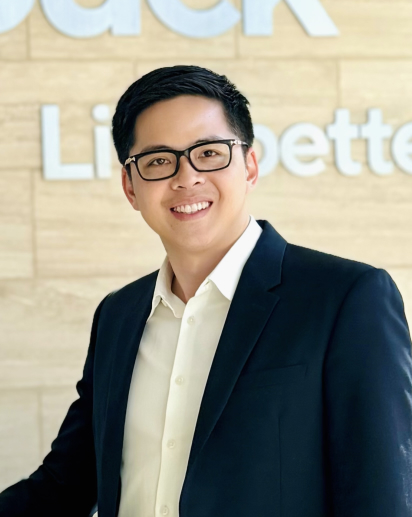
Tam Vu
Computer Science
At the HumanX Lab, we build next-generation AI wearables and sensory technologies and partner across disciplines to create sensing and stimulation systems that push the boundaries of human performance and digital health.
W
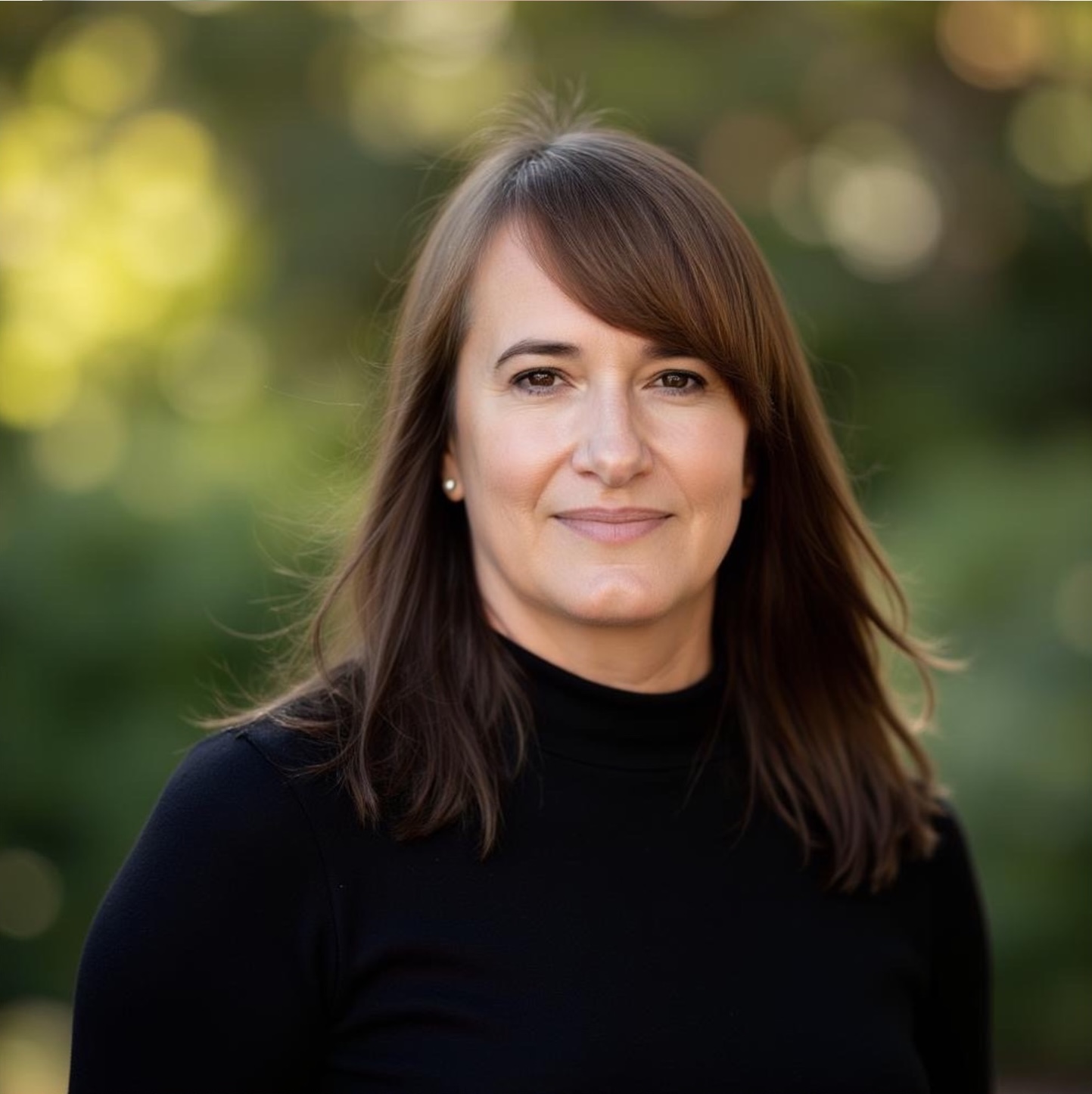
Jacqueline Wernimont
Film and Media Studies
I trace long histories of digital media, quantification, and commemoration to reimagine our future. I’m interested in how metric and algorithmic logics have impacted our approach to each other and the world we live in, as well as understanding the “full stack” of dependencies and impacts of digital technologies. I mix archival work, digital studies, and creative production to help people make sense of the machines around them.
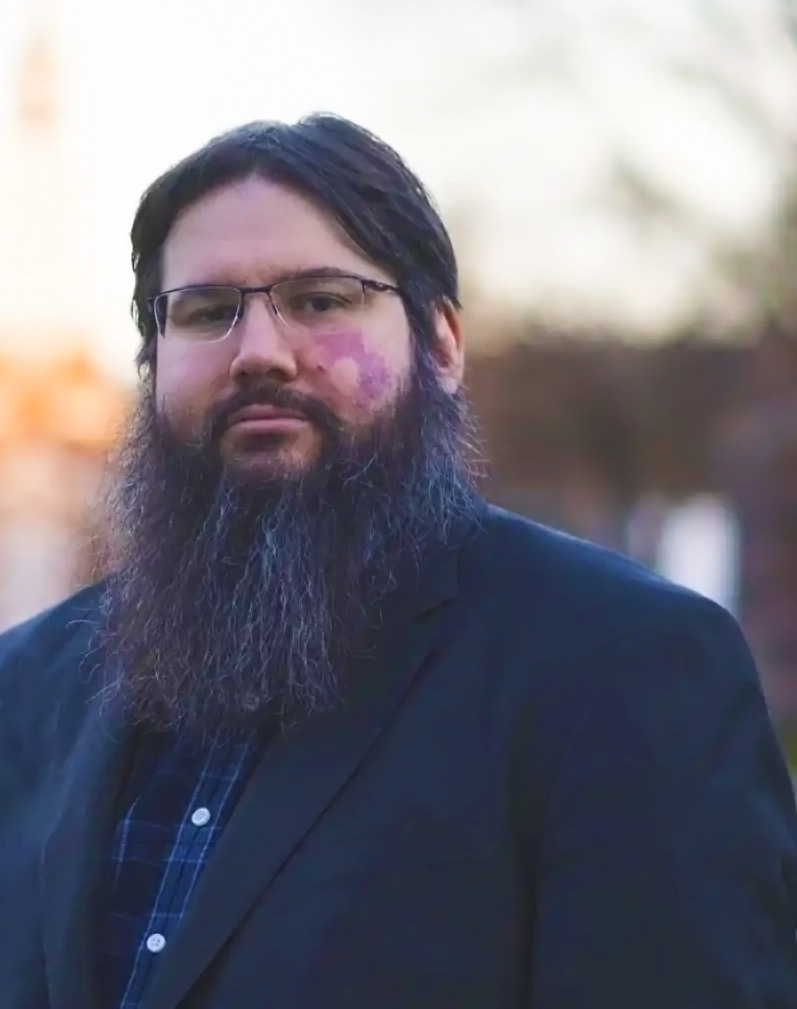
Sean J. Westwood
Government
I study how AI distorts the political information environment--biasing what citizens see and threatening the integrity of how we measure what they think. My work examines how emerging technologies could undermine the democratic infrastructure of informed public sentiment.
Y
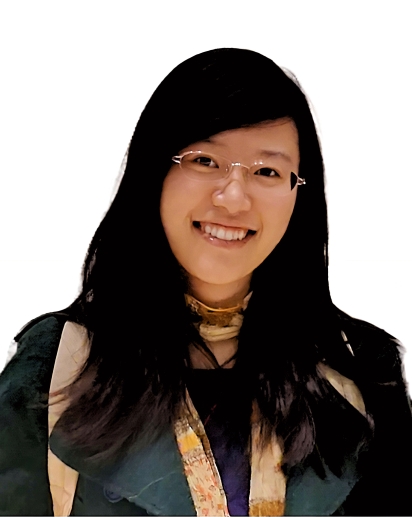
Yujun Yan
Computer Science
My research advances graph-based machine learning by uniting theory and application. Theoretically, I study how graph structures influence model generalization, examining how relational patterns affect performance in graph neural networks and large language models. Practically, I develop interpretable graph-based frameworks to analyze brain data, uncovering how relational structures reflect underlying cognitive and perceptual processes.
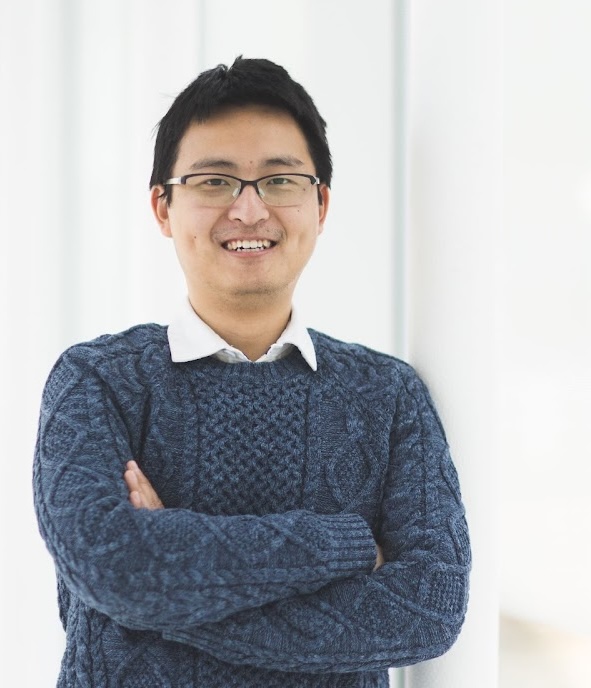
Yaoqing Yang
Computer Science
The core of my current research focuses on diagnosing and mitigating failures in machine learning models. For example, I analyze statistical learning metrics derived from loss landscapes and weight matrix spectral densities to identify deficiencies in training or data and to provide actionable insights for addressing common failure modes in these models. I also work on the applied side of machine learning by implementing these metrics in various domains, including large language models, scientific machine learning, and graph neural networks.